By the People: Conversations Beyond 250
Episode Description
What was going in the West while the thirteen colonies fought for independence? Over the summer, hundreds of people across Wyoming gathered at a series of community film screenings and panel discussions to find out the answer to that question. They came together to watch a new documentary from Wyoming PBS, Wyoming Humanities, and Caldera Productions called Before Wyoming: The West in 1776. Expanding the story of 1776 beyond the East Coast, the film explores thriving indigenous nations, early European influence, and the changing world of the West through historians, Native voices, artifacts, and the perspective of young people today. In this episode, we speak to the film’s producers and experts about the history it tells and nuances of telling this history.
By the People: Conversations Beyond 250 is a national initiative developed by the Federation of State Humanities Councils and the Smithsonian Center for Folklife and Cultural Heritage. The By the People: Conversations Beyond 250 podcast was produced by the Federation.
There are 56 state and jurisdictional humanities councils in the US, one for every state, territory, and DC. These nonpartisan nonprofits were established in 1971 by Congress to make outstanding public humanities programming accessible to everyday Americans.
Listen
By the People: Conversations Beyond 250 is available on all major podcast platforms. Listen on your browser by using the player above or find your preferred platform here.
Episode Transcript
Host/Guests

Chloé Flagg (Episode Host)
Chloé Flagg has served Wyoming Humanities since 2021, first as Director of Grants and Programs. Originally from Riverton, Chloé and her husband Will have been in Laramie for over a decade and it is where they have built their life. Having earned her bachelor’s and master’s degrees in sociology, Chloé is currently pursuing a PhD in Public Humanities from the University of Wyoming.
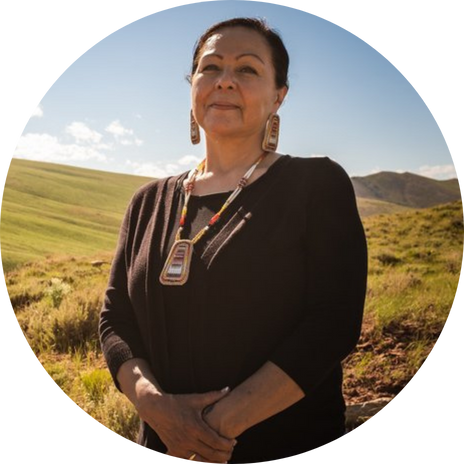
Lynette St. Clair
Lynette St. Clair grew up in Fort Washakie, Wyoming, on the Wind River Reservation. Recently retired from a career in education, she is an advocate for the preservation of the Shoshone language and history. Lynette attended college at Montana State University-Billings, where she received a bachelor’s degree in Public Relations. She then attended Southeastern Oklahoma State University, where she graduated with a Master of Science Degree in Native American Leadership.

Geoff O’Gara
For over 20 years, Geoff worked for public television as on-camera talent, writer, and documentary producer. He is currently the President of Caldera Productions. Geoff is also the author of several books, one of which, “What You See in Clear Water” (Knopf), is about the Wind River Indian Reservation. He is a former editor of High Country News and has published in many national publications.
Show Notes/Learn More
Links:
Before Wyoming: The West in 117 on PBS
Wind River Tribal Buffalo Initiative
“Speaking from the Heart: Lynette St. Clair on Language, Legacy, and the Shoshone Way” (Wyoming Humanities podcast episode)
Photos:
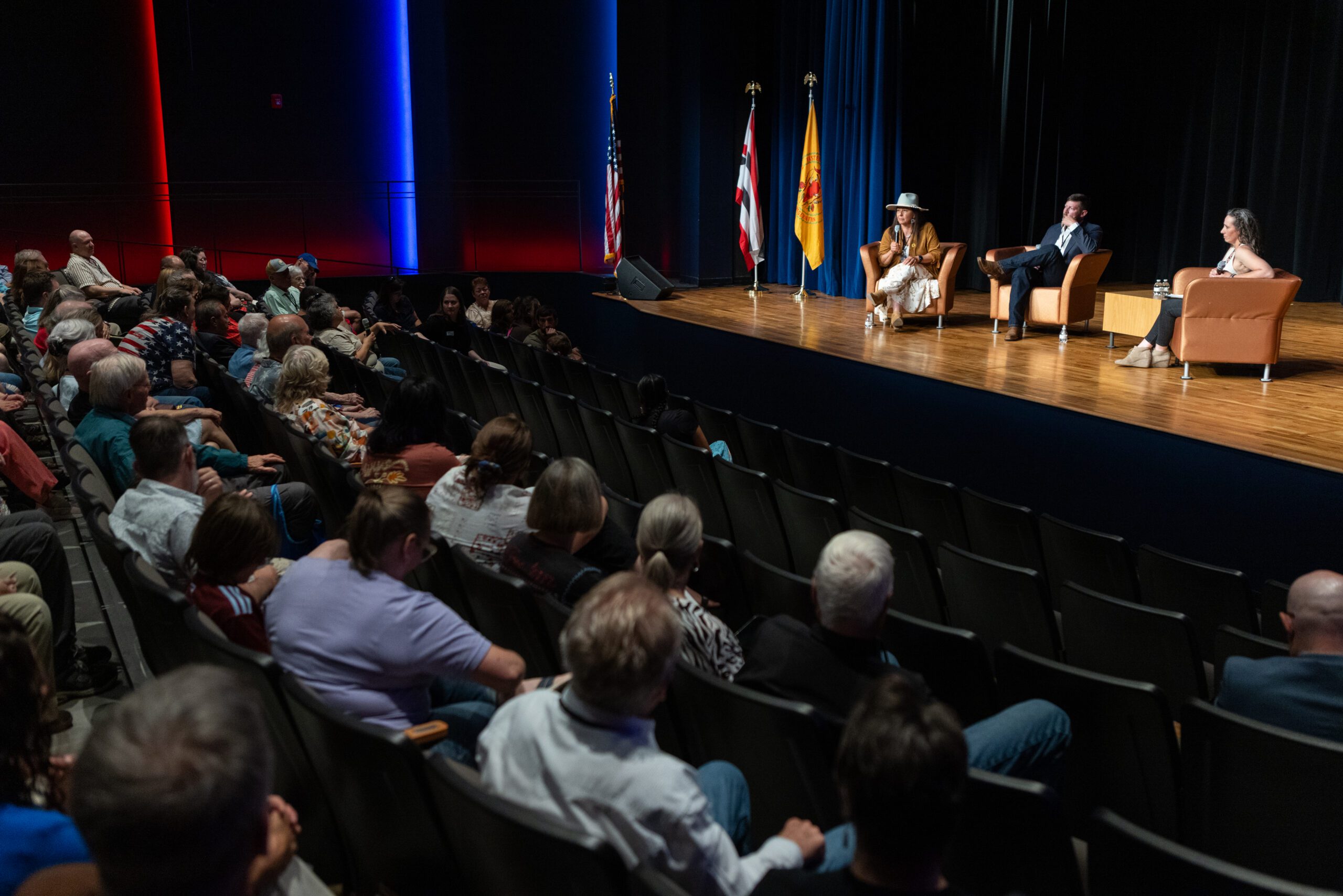
Wyoming PBS’s Premiere Screening of the documentary Before Wyoming: The West in 1776 on July 3, 2026, at the LCCC Surbrugg/Prentice Auditorium in Cheyenne, Wyoming.
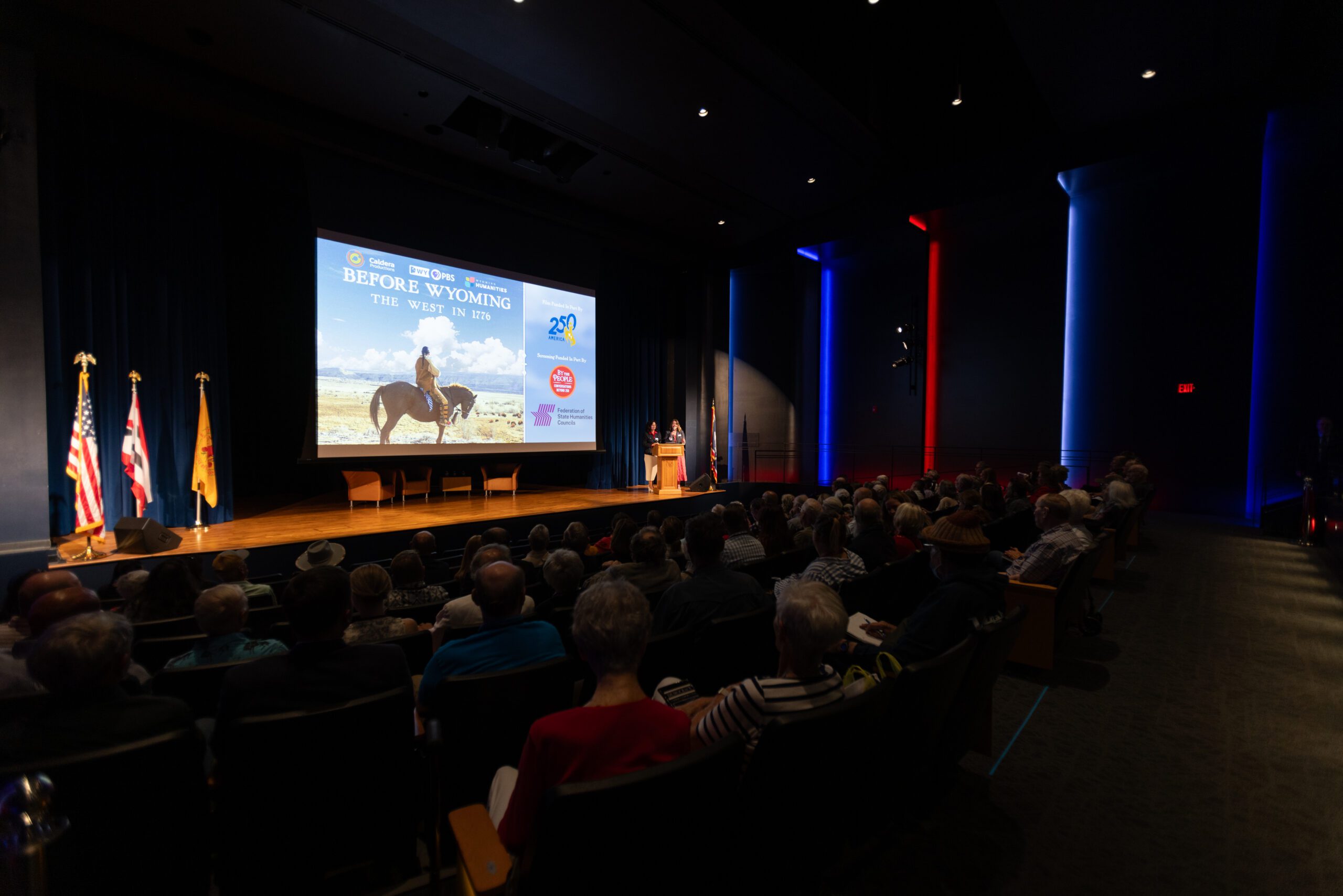
A panel discussion following the film’s premiere.
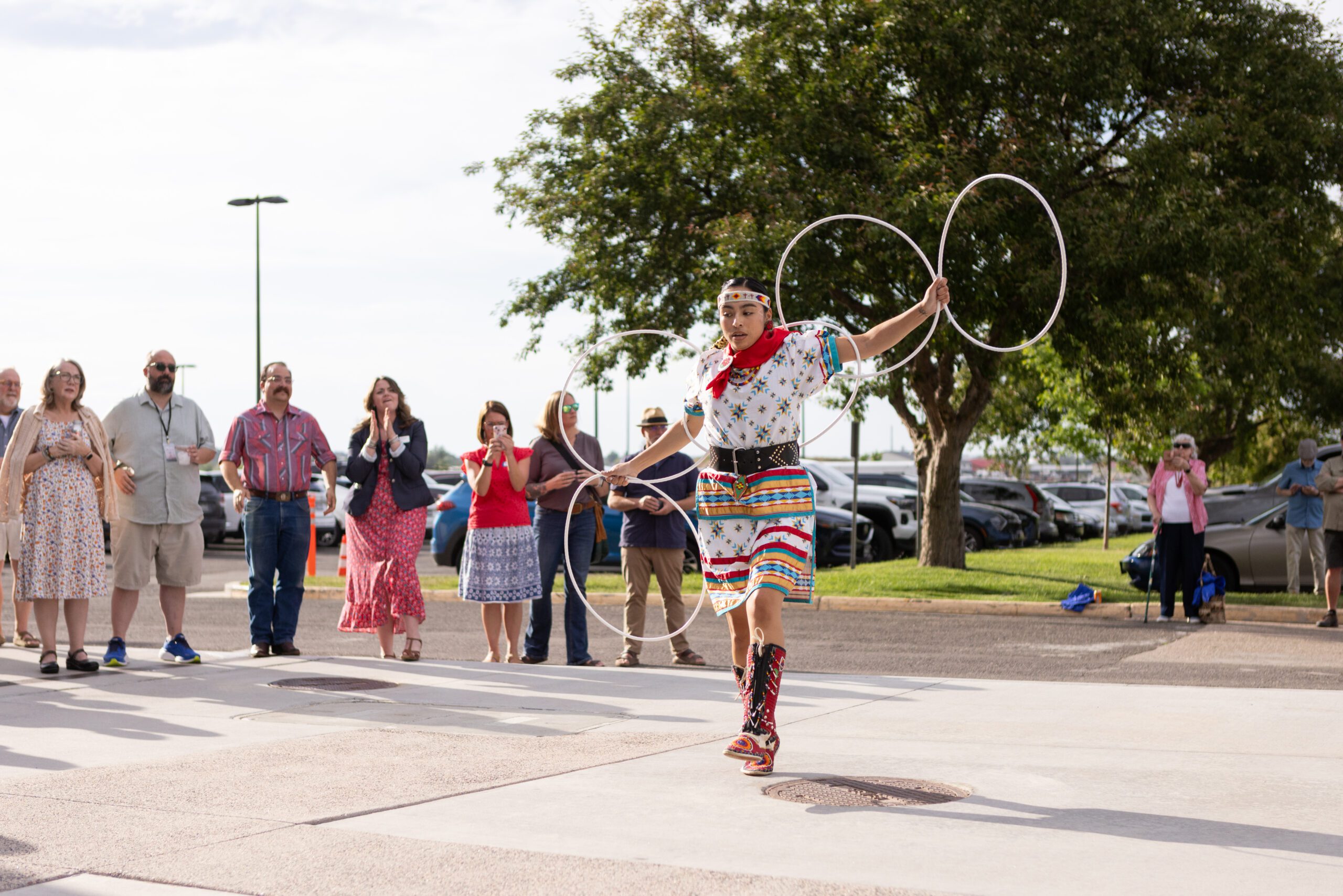
Hoop dancer Jaden Ferris performs before the film premiere.
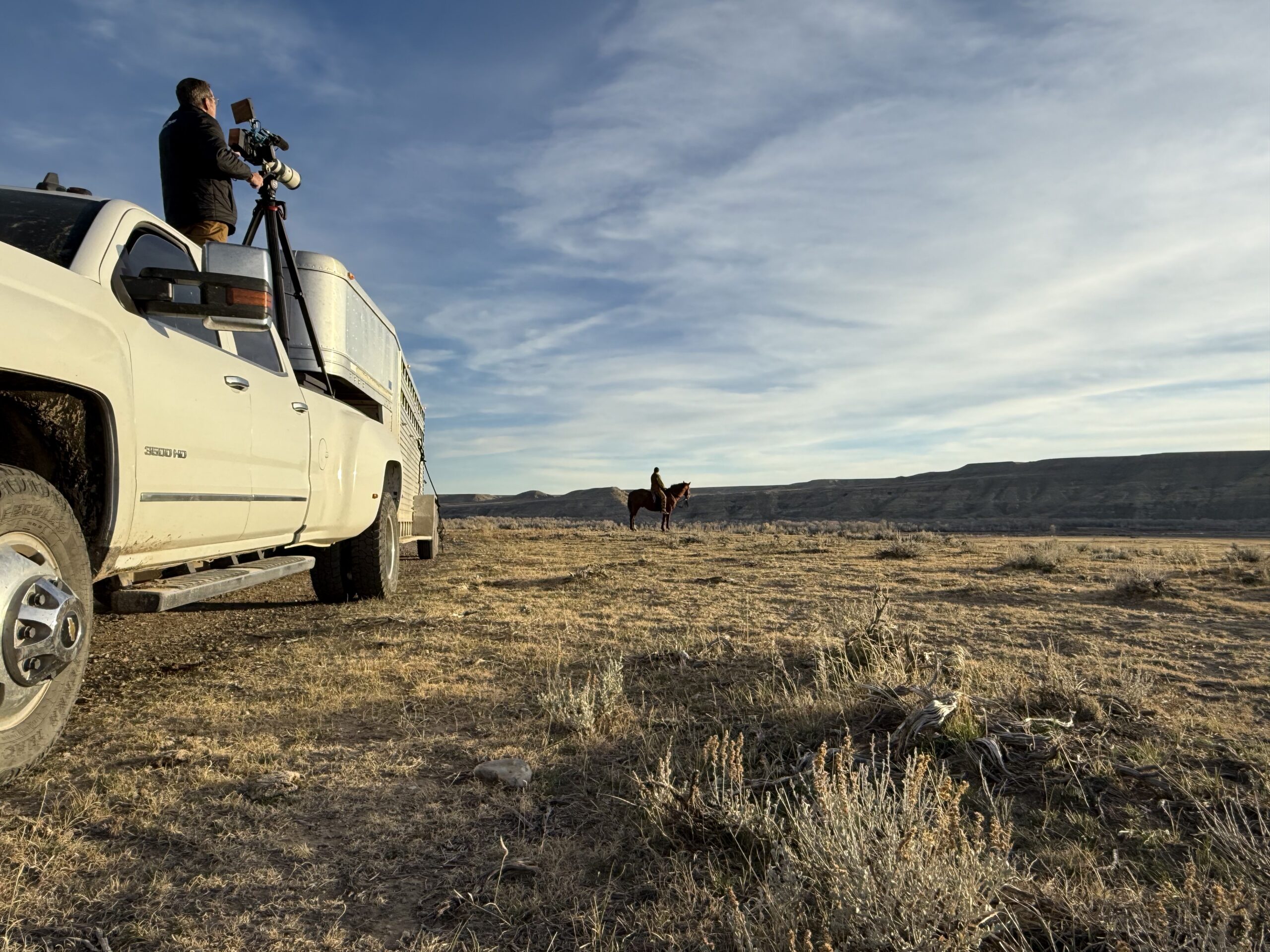
Behind the scenes: Director of Photography Kyle Nicholoff films on location in Wyoming. Photo credit: Sophie Barksdale.
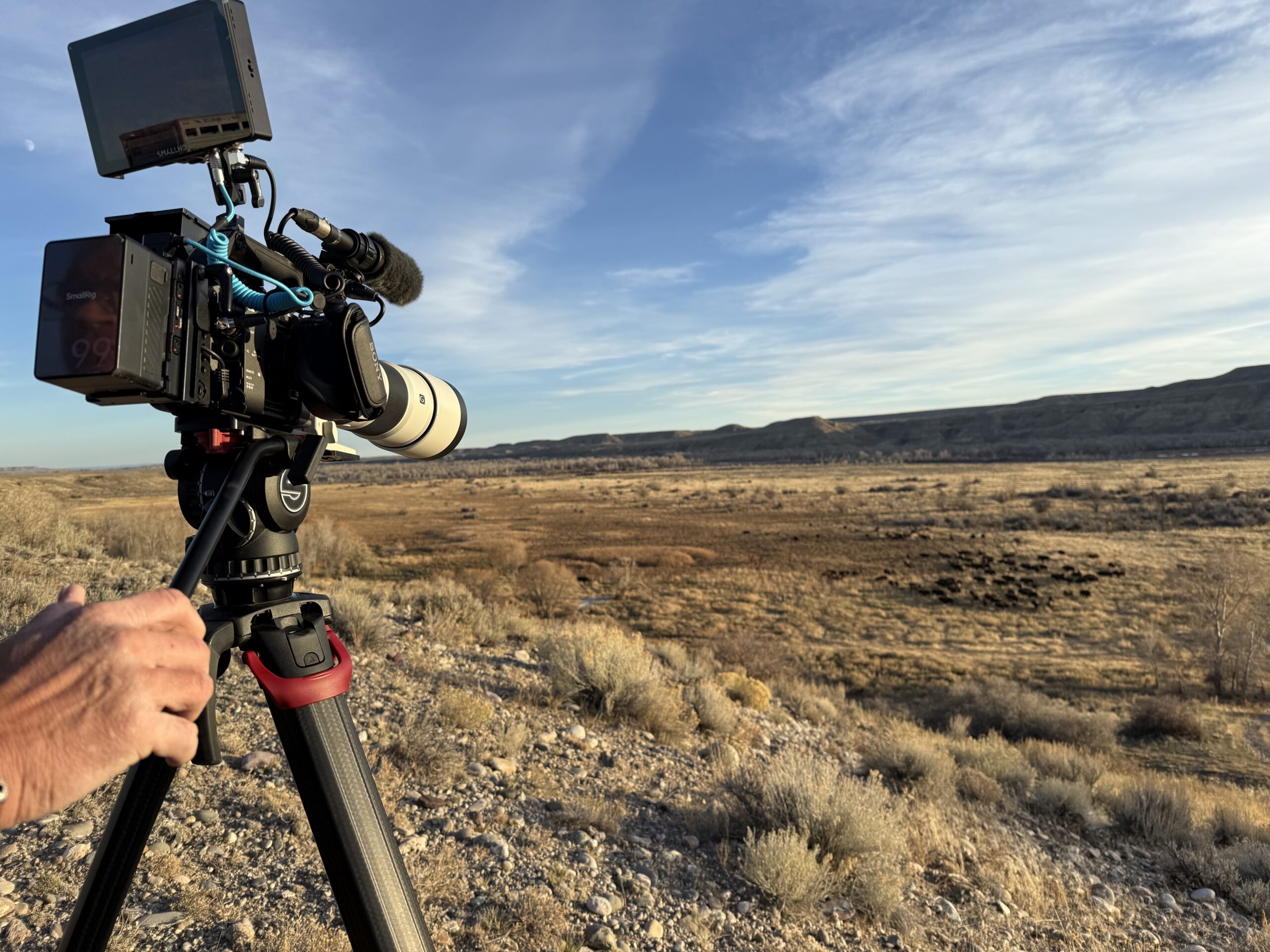
Behind the scenes: Director of Photography Kyle Nicholoff films buffalo in Wyoming. Photo credit: Sophie Barksdale.
What are Humanities Councils?
Our nation’s 56 state and jurisdictional humanities councils are nonpartisan 501(c)3 nonprofit organizations established in 1971 by Congress to make outstanding public humanities programming accessible to everyday Americans. Councils are funded in part by the National Endowment for the Humanities (NEH) and connected by their national membership association, the Federation of State Humanities Councils.