NEWS RELEASE – FOR IMMEDIATE RELEASE
Contact: Hannah Hethmon, Communications Manager, Federation of State Humanities Councils, hhethmon@statehumanities.org
Photo Caption: A mother and daughter read together at a Prime Time Family Reading workshop in Kennewick, Washington. Photo Credit Kirk Hirota, courtesy of Humanities Washington.
FEDERATION STATEMENT ON PASSAGE OF LEVEL FUNDING FOR NEH AND HUMANITIES COUNCILS
Senate Votes to Fully Fund National Endowment for the Humanities and the 56 Humanities Councils—Will Appropriated Funds Be Distributed?
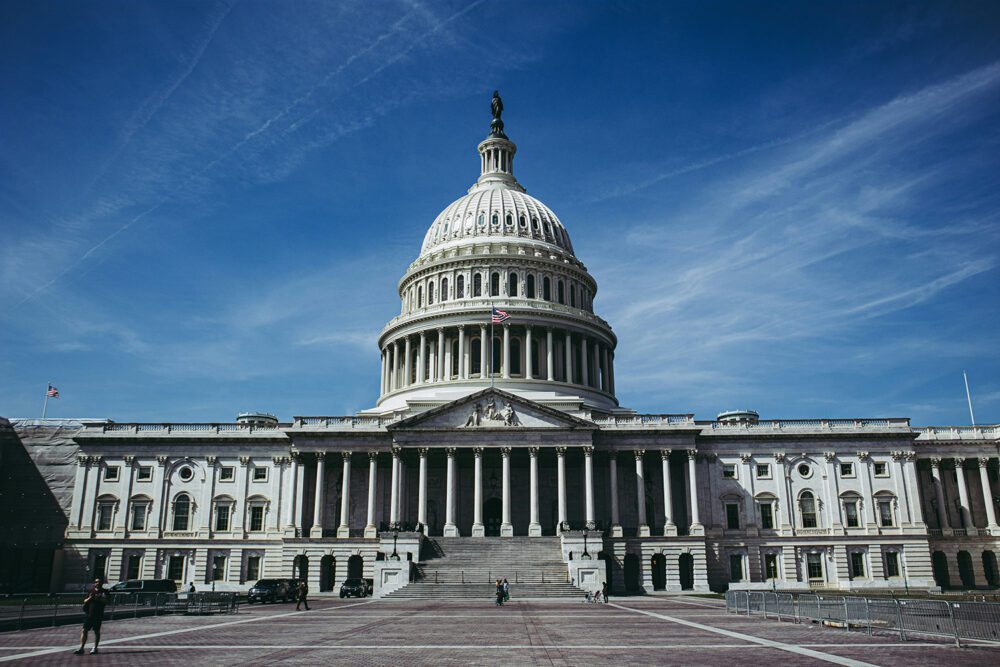
[Washington, DC] January 16, 2026 – On January 15, the Senate passed the Interior and Environment Appropriations Act, 2026, which includes level funding for the National Endowment for the Humanities (NEH) and the humanities councils—$207 million for the NEH, with $65 million of that budget allocated to the 56 state and territorial humanities councils. The bill will now go to the President for his signature.
We acknowledge and appreciate Congress’ continued bipartisan support for humanities councils and their decision to continue their decades-long investment of federal funds in state- and local-level cultural funding. However, we echo their concerns about interruptions to the Congressional power of the purse.
Congress appropriated level funding for NEH and humanities councils in 2024 and 2025. Yet, in 2025, actions by DOGE in April led to overnight termination of appropriated funds to humanities councils. In FY 2025, humanities councils ultimately received less than 50% of appropriated funding, leading to devastating cuts in programming and grants for local communities who depend on humanities funding for veterans’ workshops, childhood literacy programs, small-town cultural infrastructure, and 250th commemorations.
Humanities councils are eager to return to the work they have done for over 50 years, ensuring that every district in the country has access to the humanities. However, after the unprecedented cancellation of grants and uncertainty in 2025, councils cannot make plans or commitments based on the passage of the bill alone. Further delays in funding being restored to councils could lead to catastrophic consequences for the communities they serve.
It is critical that the administration now upholds its responsibility to faithfully execute the law as written and intended by the legislative branch. From childhood literacy programs in Kentucky to healing spaces for veterans to in Michigan to curriculum support for elementary school teachers in Louisiana—every day Americans are waiting for the restoration of the vital services and support humanities councils provide.
###
About the Federation of State Humanities Councils
Founded in 1977, the Federation of State Humanities Councils (Federation) is the membership organization of the 56 state and jurisdictional humanities councils. The Federation supports, connects, and amplifies the work and voices of our members, demonstrating councils’ value for communities and their collective impact on civic health and cultural vibrancy. The Federation envisions a fully-resourced, inclusive, and thriving humanities council network. Learn more about the Federation and its member councils at statehumanities.org.
About Humanities Councils
There are 56 humanities councils—one in every state, territory, and the District of Columbia. These nonpartisan 501(c)3 nonprofit organizations were established in 1971 by Congress to make outstanding public humanities programming accessible to everyday Americans in all communities across the United States. For over five decades, councils have received federal funding from Congress through the National Endowment for the Humanities (NEH). Learn more about humanities councils at statehumanities.org.